

World Events

Stay informed about mental health and women’s issues around the world. This page highlights global mental health challenges, women’s experiences, and current stories that help us better understand why awareness, support, and advocacy matter.

A Timeline of Women’s Mental Health Awareness

Women’s mental health in the 1800s

1800s

Women experiencing anxiety, depression, trauma, and other mental health conditions were often diagnosed with “hysteria,” a now-discredited medical diagnosis.
1800s
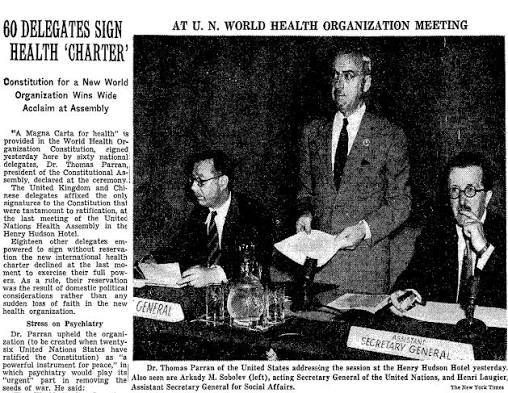
World Health Organization 1948

WHO Defines Health

The World Health Organization officially defined health as including mental and social well-being, helping establish mental health as an essential part of overall health.
1948
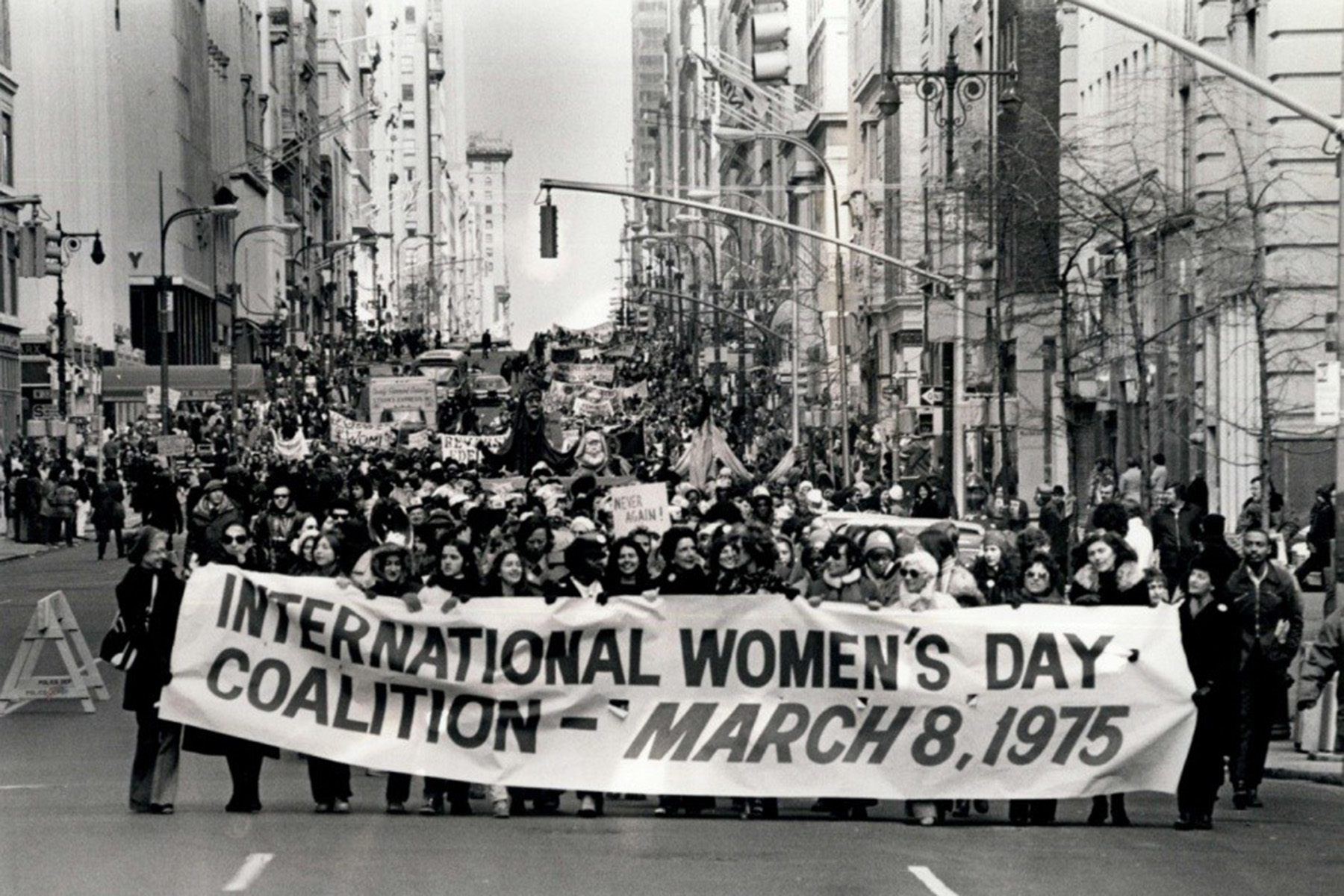
International Women's Year 1975

International Women’s Year

The United Nations designated 1975 as International Women’s Year, bringing greater global attention to women’s health and well-being.

1975
Declaration on the Elimination of Violence against Women 1993

Violence Against Women

The UN adopted the Declaration on the Elimination of Violence against Women, recognizing the severe impacts of violence and abuse on women’s well-being.

1993
Beijing Declaration and Platform for Action 1995

Beijing Platform

The Beijing Declaration and Platform for Action identified women’s mental health as an important global issue and called for expanded research, services, and support.
1995
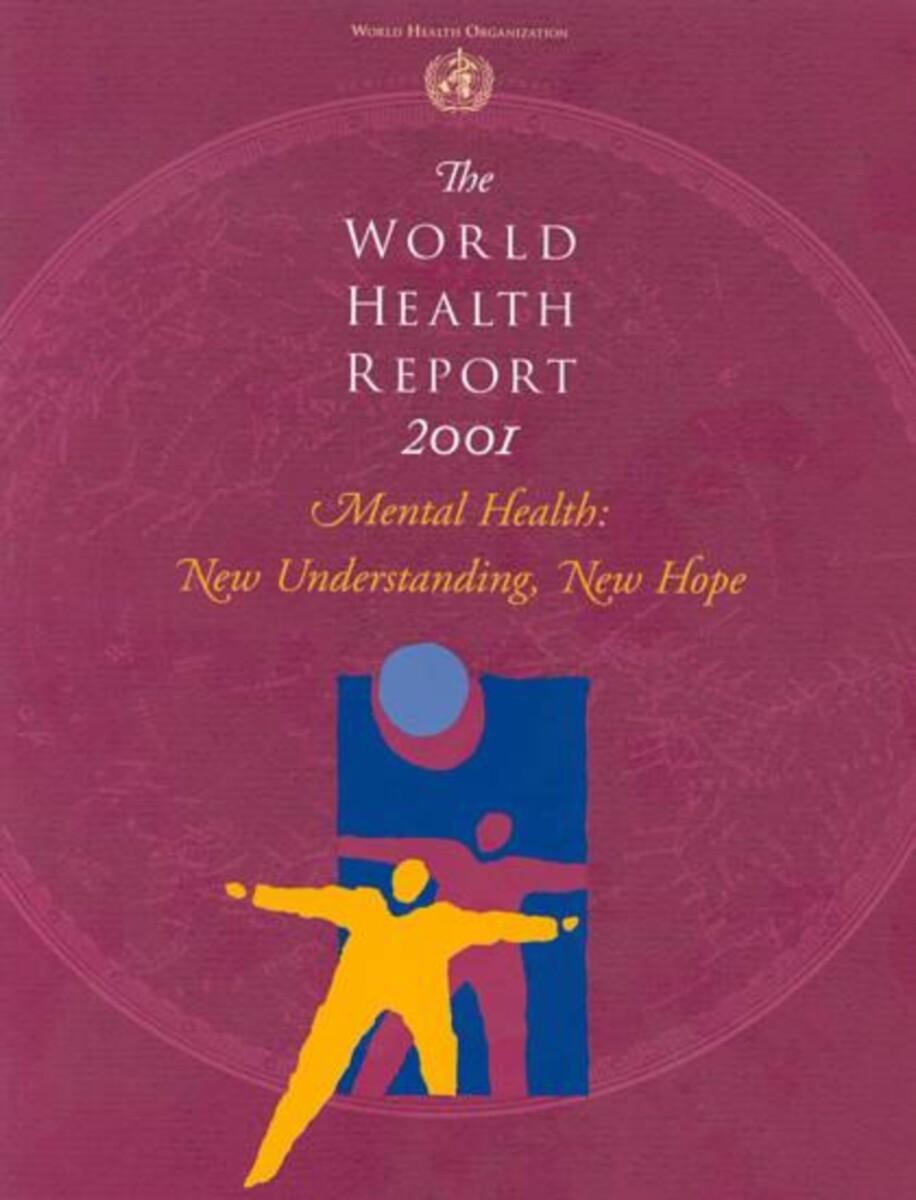
World Health Report 2001

World Health Report

The WHO’s World Health Report focused on mental health for the first time, emphasizing that mental disorders are a major global public health concern.

2001
UN Women established 2010

UN Women Established

UN Women was established to advance gender equality and improve outcomes for women and girls worldwide.
2010
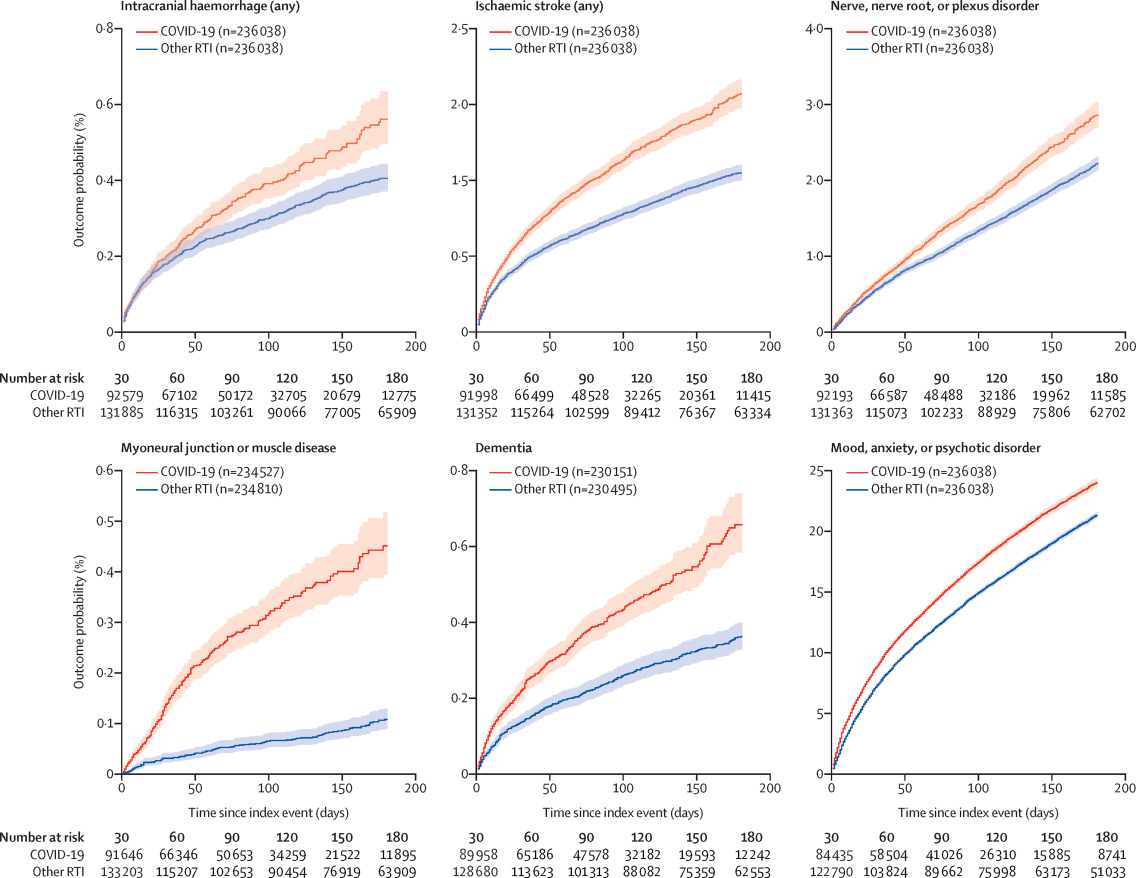
COVID-19 Pandemic 2020

COVID-19 Pandemic

During the COVID-19 pandemic, studies found increased rates of anxiety, depression, and emotional distress among women and girls globally.
2020
WHO Mental Health Action Plan 2022

Mental Health Action Plan

The World Health Organization launched its Comprehensive Mental Health Action Plan updates, emphasizing accessible and community-based mental health care.

2022
Women’s mental health today

Today

Women’s mental health is increasingly recognized as a global priority, though significant challenges remain in access, stigma reduction, and support services worldwide.

Today

GLOBAL OVERVIEW

Mental health conditions affect millions of people worldwide and are recognized as one of themost significant global health challenges. According to the World Health Organization, morethan 1 billion people globally live with a mental health condition, making mental health a majorpublic health priority. Disorders such as depression and anxiety are among the most commonmental illnesses and contribute significantly to disability and reduced quality of life.

Mental health challenges also have large social and economic impacts. Poor mental health canaffect relationships, education, employment, and overall well-being. The global economy isestimated to lose around $1 trillion each year in productivity due to depression and anxietydisorders. Increasing awareness, improving access to mental health care, and reducing stigmaare therefore essential steps toward improving global well-being.

Key Insights

  • Over 1 billion people worldwide live with a mental health condition, making it one of the largest global health challenges.
  • Mental health disorders such as anxiety and depression are the most common worldwide.
  • Mental illness has a large economic impact, costing the global economy about $1 trillion per year in lost productivity. Sources
  •  Depression affects around 280-332 million people globally. Sources1  Sources2

GENDER DIFFERENCES IN MENTAL HEALTH STATISTICS

Research consistently shows that mental health conditions affect men and women differently.Women are more likely to experience certain mental health disorders, particularly depressionand anxiety. According to the World Health Organization, depression is about 1.5 times morecommon in women than in men globally. Similarly, studies from the Anxiety & Depression Association of America indicate that women are nearly twice as likely as men to be diagnosedwith anxiety disorders.

Several factors may contribute to these differences. Biological influences such as hormonalchanges can play a role, particularly during pregnancy, postpartum periods, and menopause.Social and environmental factors—including caregiving responsibilities, gender-based violence,economic inequality, and societal pressures—can also affect women’s mental health. Becauseof these factors, understanding gender differences in mental health is important when
developing support systems, policies, and resources that meet women’s specific needs.

Key Insights

  • Depression is about 1.5 times more common in women than men globally.Sources
  •  One estimate suggests 1 in 3 women will experience major depression during their lifetime,compared to about 1 in 5 men.Sources
  • Women are almost twice as likely as men to be diagnosed with anxiety disorders. Sources
  • Women tend to experience higher rates of mood and anxiety disorders, while men have higherrates of substance-use disorders.Sources

Research consistently shows that women experience higher rates of depression and anxietydue to a mix of biological, social, and environmental factors

CURRENT NEWS HIGHLIGHTS AND TOPICS

Community Mental Health Support After Tumbler Ridge Shooting

Following a tragic shooting in Tumbler Ridge, community leaders and officials have emphasizedthe importance of providing mental health support for those affected by the incident. Localrepresentatives, including Bob Zimmer, noted that events involving violence can have lasting psychological impacts on students, families, and community members. Situations like thishighlight the need for accessible mental health services and trauma-informed support systems,particularly for young people and women who may experience higher rates of anxiety and stressafter traumatic events.

Key Insights

  • A recent poll found 72% of women in the UK did not know menopause can trigger mentalhealth conditions such as anxiety or depression, leading experts to call for better education andhealthcare support.Sources

    March 1, 2025

Menopause and Mental Health Awareness

A recent poll in the United Kingdom found that 72% of women were unaware that menopausecan trigger mental health conditions such as anxiety and depression. Experts from the RoyalCollege of Psychiatrists say this lack of awareness may prevent many women from recognizingsymptoms and seeking help. As menopause can involve significant hormonal and life changes,mental health specialists are calling for better education, clearer public information, andimproved healthcare support so women can access the resources they need during this stage oflife.

Key Insights

  • Following the tragic shooting in Tumbler Ridge, British Columbia, leaders and mental healthprofessionals have emphasized the need for increased mental health support for studentsfamilies, and communities coping with trauma after violent events, highlighting the importance ofaccessible mental health resources.Sources

    February 12, 2026
滚动至顶部